Rain Rain go away, Come again another day! The heatwave seems to be over here in the UK and we’re forecasted to have some heavy rain. Heavy rain poses some challenges for parents. Kids have a shorter attention span than us adults, which means cabin fever can set in quickly. Minimise the number of times you hear ‘I’m booored!’ with our top 20 rainy day activities to do with kids that are on their summer holidays.
1)indoor play/ soft play. This is always fun for kids, there are many indoor soft play in the UK.
2) Fashion show. Kids love to dress up in their parents clothes and shoes. So why not let the kids choose some clothes from your wardrobe, so they can create a fun fashion show!
3)Our STEM (Science Technology Engineering and Maths) activity cards are great for entertaining the kids and can help to reduce screen time. Our unique pack of 32 cards are simple and fun and can be created with everyday items from around the home or the supermarket. The pack of cards can be bought here.
32 STEM Activity cards
4) Cook or bake together. Kids enjoy cooking and baking (especially licking the bowl at the end!).
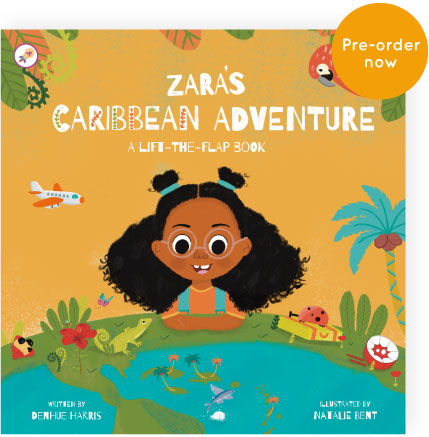
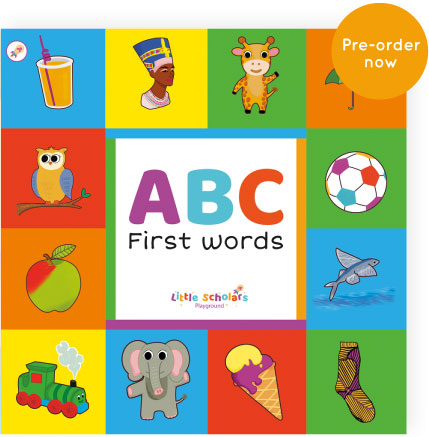
5) Visit your local library. Let the kids choose a book they want and then get cosy in the reading corner. If the weather is too bad to get out. Then create a cosy area at home and read their favourite books. We have a great selection of books. You can shop our books here.
STEM Leaders: Black inventors and innovators who changed the world
6) Visit a museum. There are many free fun museums in the UK. Going to the museum is a fun adventure for kids.
7) Play board games. Board games are a fun way to get the family together and helps to reduce screen time.
8) Our STEM inventors journal. Our STEM inventors journal will show kids how new inventions are created. It includes prompts to get your budding inventor started on their inventor journey. This journal will be sure to keep kids occupied on those rainy days. It can be bought here.
My STEM inventors journal: A little book of ideas
9) Build a blanket and cushion fort.
10) Watch a movie. Dim the lights and pop some popcorn and create a cinema at home.
11) Indoor picnic. Too rainy to have a picnic outside? Why not bring it indoors. Eating on a blanket is always fun for kids.
12) Create a puppet show. Grab some socks and paper and create a puppet show.
13) Open ended play. Get your children’s imagination going with some open ended play, with things like wooden blocks or a sensory activity.
14) Get the puzzles out. Puzzles are a good alternative to screen time for kids, they’re both fun and educational. We have a great wooden solar system puzzle, which can be bought here.
Wooden solar system puzzle
15) Play some musical instruments. You can even create a mini concert.
16) Do some yoga. The cabin fever has kicked in, so now the kids are bouncing off the walls, eek! There are lots of yoga videos for kids on YouTube, which can help to calm them down.
17) Create an indoor scavenger hunt. Get the kids to hunt for the objects all over the house.
18)Arts and crafts is always fun. Create a crafting station at home. It can occupy kids for a long time and it is both entertaining and educational for them.
19) Create an indoor obstacle course using unbreakable objects.
20) Splash in some puddles. As Peppa pig says “I’m jumping up and down in muddy puddles.” Once the rain has stopped, get your wellies on and go outside and splash about in some puddles!
We hope you found this blog useful. If you did, please share it with your friends and family who may find it useful too.
Natalie is the co-founder and illustrator at Little Scholars Playground. She is passionate about literacy, learning, illustrating, black women in STEM and Montessori.
Did you know by the age of 3, a child’s brain has reached 80% of its adult volume? This is why it’s very important to support this massive brain development in the first 3 years of their life. Engaging with your child, providing a safe environment and creating solid foundations is paramount in their early years development. Children’s brain development happens so fast, so don’t leave it until it’s too late. By the time a child starts school it is more difficult for them to take advantage of the learning environment created in the classroom if an optimal learning experience or nurturing environment has not been created at home.
Our top 3 tips on how you can support your child’s brain development
1) Research your child’s current stage of development
2) Regularly observe your child. What skills are they practicing? What are they interested in? What activities do they love to do repeatedly?
3) Finally, research how you can support their development in these areas
Our new STEM (Science Technology Engineering and Maths) activity cards are great for developing children’s brains. The experiments and activities are fun, easy and can be created using everyday items found in the supermarket. They can be purchased here. Our STEM activity cards will:
– Introduce STEM in a hands on way – Create a love for STEM subjects early on – Enhance a child’s collaborative learning, as STEM often encourages children to work together – Amplify a child’s problem solving skills, which is a critical skill in the early years – Enhance a child’s memory through experimental learning – Help to reduce screen time
It comes without saying that children are very much affected by their surroundings. The environment a child is in, in their early years can have affects which last a lifetime.
Natalie is the co-founder and illustrator at Little Scholars Playground. She is passionate about literacy, learning, illustrating, black women in STEM and Montessori.
Learning music helps with a child’s brain development. But did you know it also helps to improve maths skills? To play a musical instrument well, you need to develop your critical thinking and problem solving skills. These are key skills when learning maths. If you think back to early childhood, young children often learn counting through rhythm. They first start clapping their hands and bopping their head to a number’s nursery rhyme. We know kids learn through repetition which is why nursery rhymes are great. Young children are particularly responsive to rate, which is a key player in helping them to form mathematical skills.
Below are 6 ways learning music is beneficial to developing a mathematical mind:
1) Performing music reinforces parts of the brain used when doing maths because It’s about time signatures, beats per minute and formulaic progressions
2) The frequency of sound is related to maths, different sounds can be made up with different weights and vibrations
3) Studies show that children who play instruments are able to complete complex mathematical problems better than their peers who do not play instruments
4) Patterns are used in both maths and music
5) Learning music teaches valuable skills such as patience, research also shows that children who learn an instrument retain information better
6) Music is full of fractions. Music includes whole notes, half notes and quarter notes, all of which follow the same rules as a maths equation
Getting children used to music early on will have fantastic positive outcomes. It adds a fun element to learning and sometimes can get them to learn things without even realising it. Who knew that learning music which is lots of fun can help with improving a child’s maths skills?
Natalie is the co-founder and illustrator at Little Scholars Playground. She is passionate about literacy, learning, illustrating, black women in STEM and Montessori.
We’re excited to be nominated for the the 2022 Entrepreneur of Excellence Award at The National Diversity Awards in association with ITV News. Please vote for us here. This came as a surprise to us this morning. Who said Mondays were the worst day of the week ??
We would really appreciate your vote. Every vote counts, so please click the link here today and please remember to verify your vote when you receive the email ??
Babies and young children are sponges that soak up everything around them. So naturally when books are read to them, they take in all the language and words they hear. Reading to children boosts their brain development in a big way, but not only that it acts as bonding time for you and your child. Therefore we recommend some story time EVERY day.
So what are the benefits of reading to your child?
Brain and language development
Even the youngest children benefit from hearing their parents read to them. Studies have shown that babies who are regularly read to, get higher scores in language skills, promotes higher IQs and improves brain development, such as problem-solving skills.
Provides bonding time
Reading provides a great opportunity for you to bond with your child. It also acts as a little wind down time during a busy and hectic day.
Improves your child’s listening skills
listening is a skill children MUST gain before they can read themselves. So naturally hearing a story read out loud to them involves them having to comprehend and listen.
Helps your child have a larger vocabulary
Experts say reading books to children helps expand the number and variety of words they use. If you think about it, books you read often have words you may not otherwise use in your everyday speech. While reading you may not realise but you will often use more specific names for things such as animals and places etc as well as use more adjectives (descriptive words).
Improved attention span
Reading to children helps them develop key concentration skills as they have to sit still and listen in order to comprehend what is being read to them. This will also help improve their attention span.
Helps them learn life lessons
Books help to provide an opportunity to talk about real-life situations in an age-appropriate way. They can also reflect what happens in real-world situations, reading books on specific subjects may help children deal with something new that may feel scary, such as Coronavirus, racism, moving home and going to the Doctors etc
Sparks creativity in your child
Children have vivid imagination, so books help to feed their creativity by opening up a new and often magical world to them. Creativity is important for developing your child’s interests, ideas, as well as helping with their emotional health.
It’s beneficial to read to your child from birth. Talk to your baby as you look at the picture books you’re reading, describing what you can see. For example, point to a picture and ask “What’s this?” or declare “That’s a Monkey!” to get your child engaging with the book. Keep repeating what you can see, as repetition helps things and words to stick in your child’s mind. We have two books suitable for children, shop books here (or click on the image below).
Starting regular reading from birth will help your child become the little scholar they can be, happy reading!
Natalie is the co-founder and illustrator at Little Scholars Playground. She is passionate about literacy, learning, illustrating, black women in STEM and Montessori.